If you’ve tried meal planning and thought, “This is too much work… I can’t keep up… this doesn’t fit my life,” you’re not wrong to think that.
Most people don’t fail at meal planning — the method fails them. And honestly? Most planners fail you too.
They’re often filled with strict meal plans, pre‑written menus, and complicated layouts that don’t match your families needs, your cravings, your schedule, or your lifestyle.
That’s exactly why all my planners — including the free 7‑day one — are intentionally low‑content and flexible.
I don’t tell you what to cook.
I don’t give you a rigid breakfast‑lunch‑dinner schedule.
I give you space — a simple structure you can fill with meals that actually work for your home.
Because real meal planning isn’t about following someone else’s plan.
It’s about creating a rhythm that fits your life.
5 Reasons Meal Planning Never Worked for You
1. You were planning too far ahead
Most people jump straight into planning 30 days of meals.
That’s overwhelming — especially if you’re new to meal planning, juggling work, kids, picky eaters, or cultural meals that take time.
Weekly planning is the sweet spot for beginners. It’s flexible, realistic, and easier to stick to.
2. You were planning meals you wish you’d cook, not meals you actually cook
Insta or Pinterest‑perfect meals don’t match real life.
Real life looks like:
- a quick chicken stir‑fry
- a comforting Sri Lankan meal
- a meat‑based dinner that stretches into leftovers
- a “we’re tired, let’s keep it simple” night
Your planner needs to reflect your kitchen, not someone else’s.
3. You didn’t have a simple system
Most planners are either:
- too detailed
- too rigid
- too cluttered
- or too vague
You don’t need a complicated template — you need a flow.
A simple, repeatable weekly rhythm.
4. You didn’t give yourself buffer days
Life happens.
Kids get sick.
Work runs late.
You forget to thaw the chicken.
You end up eating out.
A good planner should have buffer space built in — not expect perfection.
5. You didn’t have a visual weekly layout
Seeing your week at a glance reduces:
- mental load
- decision fatigue
- last‑minute stress
- food waste
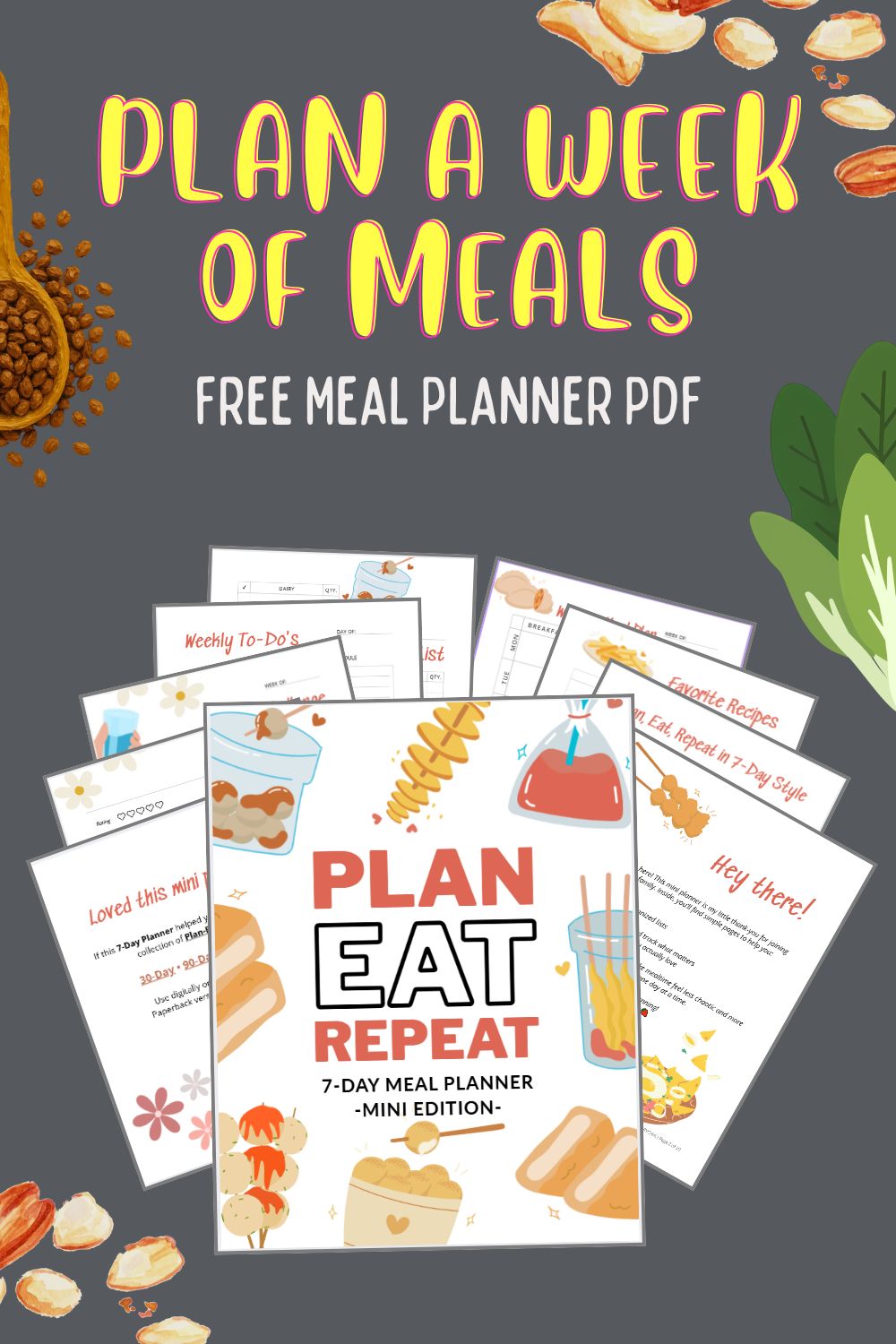
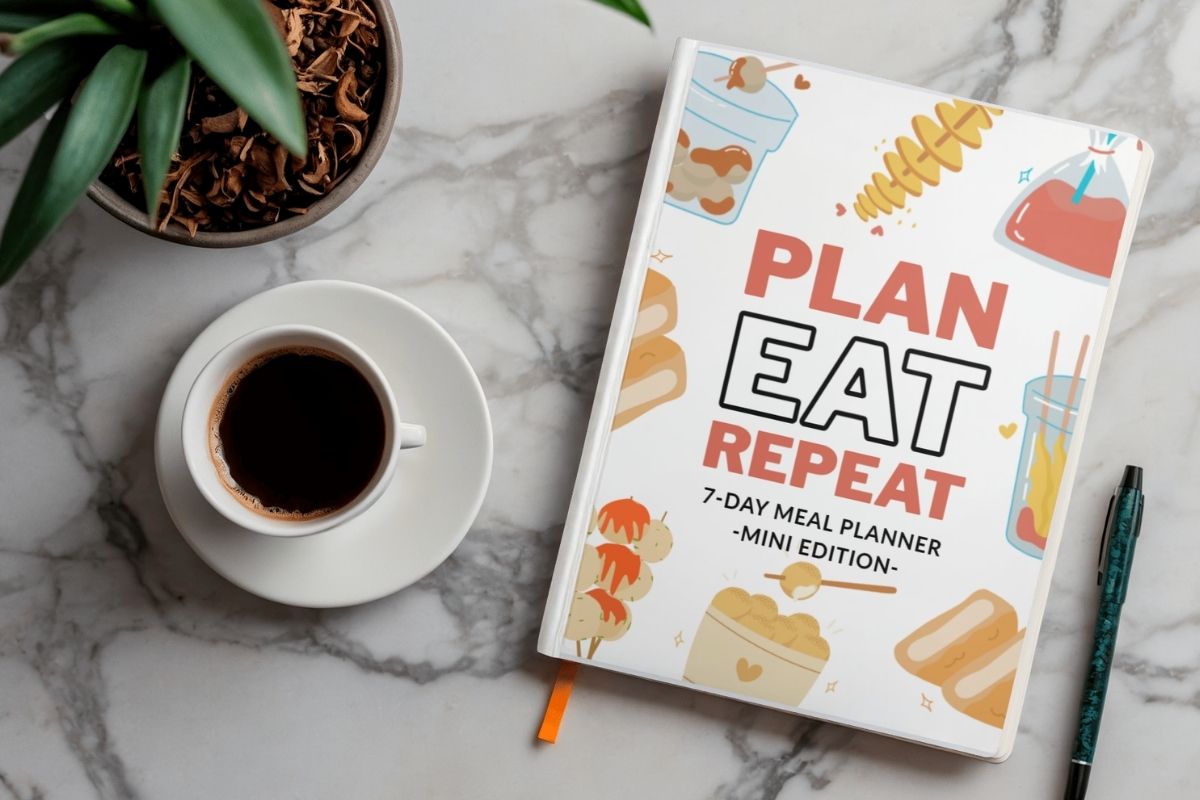
This is exactly why I created a simple, beginner‑friendly 7‑day meal planner — so you can finally try a system that works with your life, not against it.
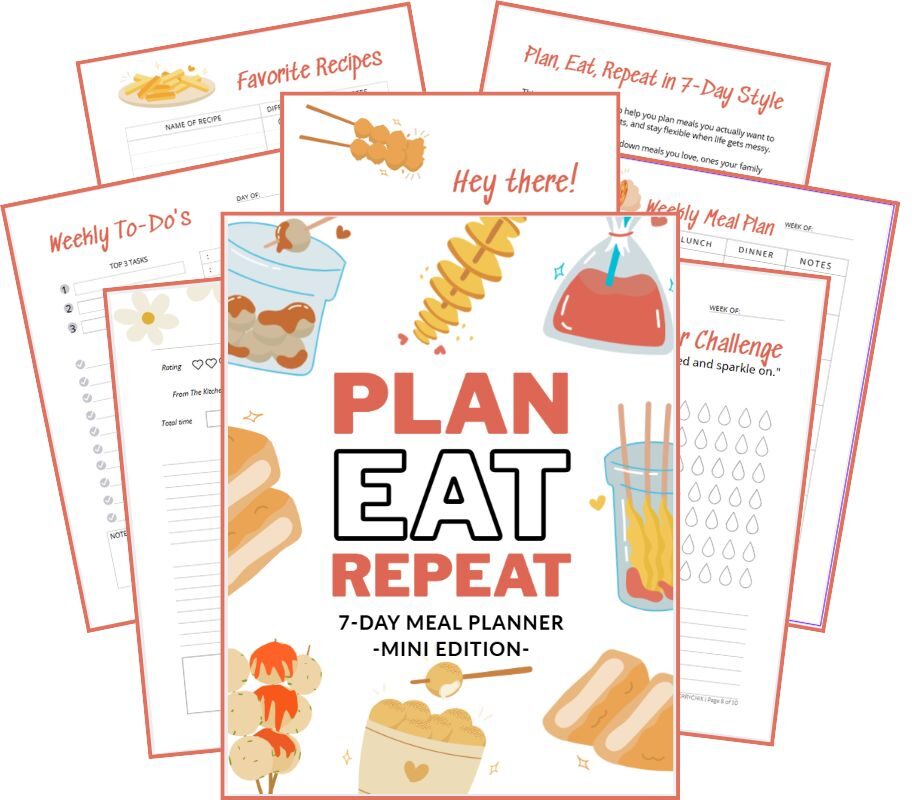
What Actually Works: A Simple 3‑Step System You Can Fill Your Way
This system is designed for busy parents, beginners, seasonal cooks, picky‑eaters, and anyone who doesn’t want to think about dinner every night. Here’s how to plan your week in under 10 minutes:
Step 1: Choose a few anchor meals
Pick meals that reheat well, stretch into leftovers, meals you know your family loves. Mix and match what works for you:
- Sri Lankan food
- Fiber-rich breakfasts
- vegan-friendly meals
- meat‑based recipes
Step 2: Add a few flexible meals
Choose meals you can swap based on cravings. Think:
- leftovers
- quick meals
- oven‑based meals
- one-pot or air-fry nights
- pantry meals
Step 3: Use a weekly layout
Once you’ve got the anchor and flexible meals filled in the weekly layout, it becomes clear where your no-cook days fall. This will be your built-in buffer for busy days. Seeing everything at a glance helps understand what works for your lifestyle.
That’s it.
No complicated charts.
No 7-day rigid plan.
Just a calm weekly flow.
A Real Example: What My Weekly Dinner Actually Look Like
One thing to know: I never include pre‑written meal plans in my planners. This is just an example of how I use the layout — you’ll fill yours with meals that fit your lifestyle.
I always start by checking what’s already in my fridge and pantry. From there, I sketch out a simple weekly flow that fits our routine. And since my family loves Sri Lankan food, I try to include at least one Sri Lankan meal each week.
Here’s what our dinners looked like recently:
- Monday (Cook Day): Rice, coconut sambal, fish curry
- Tuesday (No‑Cook Day): pre-made roti, parippu, leftover fish curry
- Wednesday (Hands‑Off Meal): Baked chicken + veggies
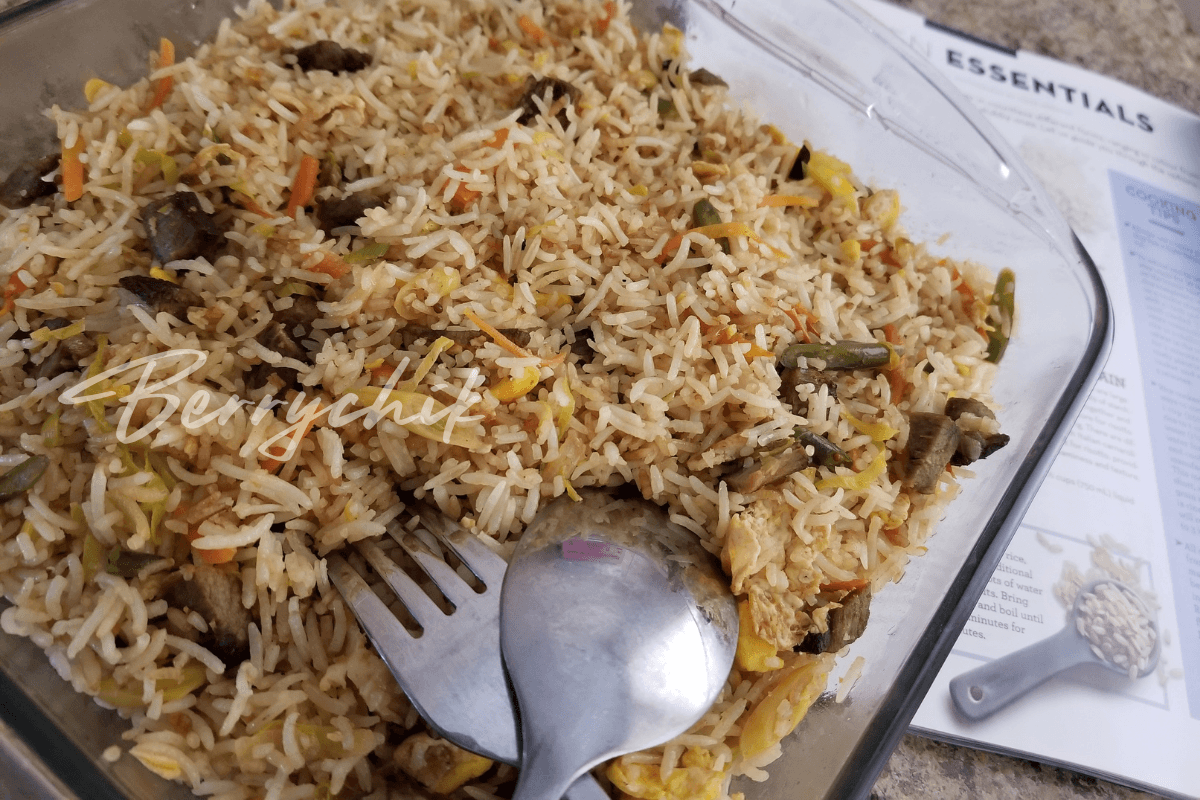
- Thursday (Leftover Mix): Chicken fried rice
- Friday (Convenience Night): One-pot lasagna
- Saturday + Sunday: Takeout / visit family & friends / groceries for next week
This rhythm works because I don’t cook daily.
Weekends are no‑cook days, so we do groceries for the upcoming week then.
Monday is my main cooking day for anchor meals — I cook enough for Monday + Tuesday.
Wednesday is where one of the flexible meals come in handy.
Thursday is a leftover or minimal cook day.
Friday is our fun, convenience night, another flexible meal we crave.
If You Want More Than 7 Days…
The free planner is your “try it and see” version.
But if you want:
- a full month planned
- a seasonal (90‑day) rhythm
- or a long‑term 6‑month routine
…my paid planners walk you through the system step‑by‑step so you never have to wonder where to start.
But start with the free one.
Feel the difference first.
Ready to Try a System That Actually Works?
If meal planning has never worked for you before, try this simple 7‑day system.
It’s free, flexible, and designed for real life — not perfection.
Before you know it, your entire week is planned, your kitchen feels calmer, your mind feels lighter, and you finally have the free time to do the things you love.
Want an easier way to plan your meals?