Maybe you’re planning a trip, reconnecting with foods you grew up eating, or simply curious about Sri Lankan cooking. Whatever brought you here, these are some of the foods you’ll keep coming across almost everywhere in Sri Lanka.
📣 Please note: Some links in this post are affiliate links. If you make a purchase through them, I may earn a small commission — at no extra cost to you. Think of it as a tiny thank‑you for sharing my favorite culinary finds. Your support truly means a lot.
Growing up on the island, food was never just something we ate. It was part of celebrations, family gatherings, long road trips, shared school lunches, and ordinary days that somehow became memorable because of what was on the table.
Sri Lanka is a small island surrounded by the Indian Ocean, which means fresh seafood, tropical fruits, coconut, spices, and homegrown ingredients have always been a big part of everyday cooking. Add centuries of cultural influences, and you end up with food that’s incredibly diverse, full of flavour, and difficult to fit into a single article.
Truthfully, narrowing this list down to just 20 was hard.
Think of this list as a starting point rather than the full story.
Here are 20 Sri Lankan foods I’d put at the top of the list.
1. Rice and Curry
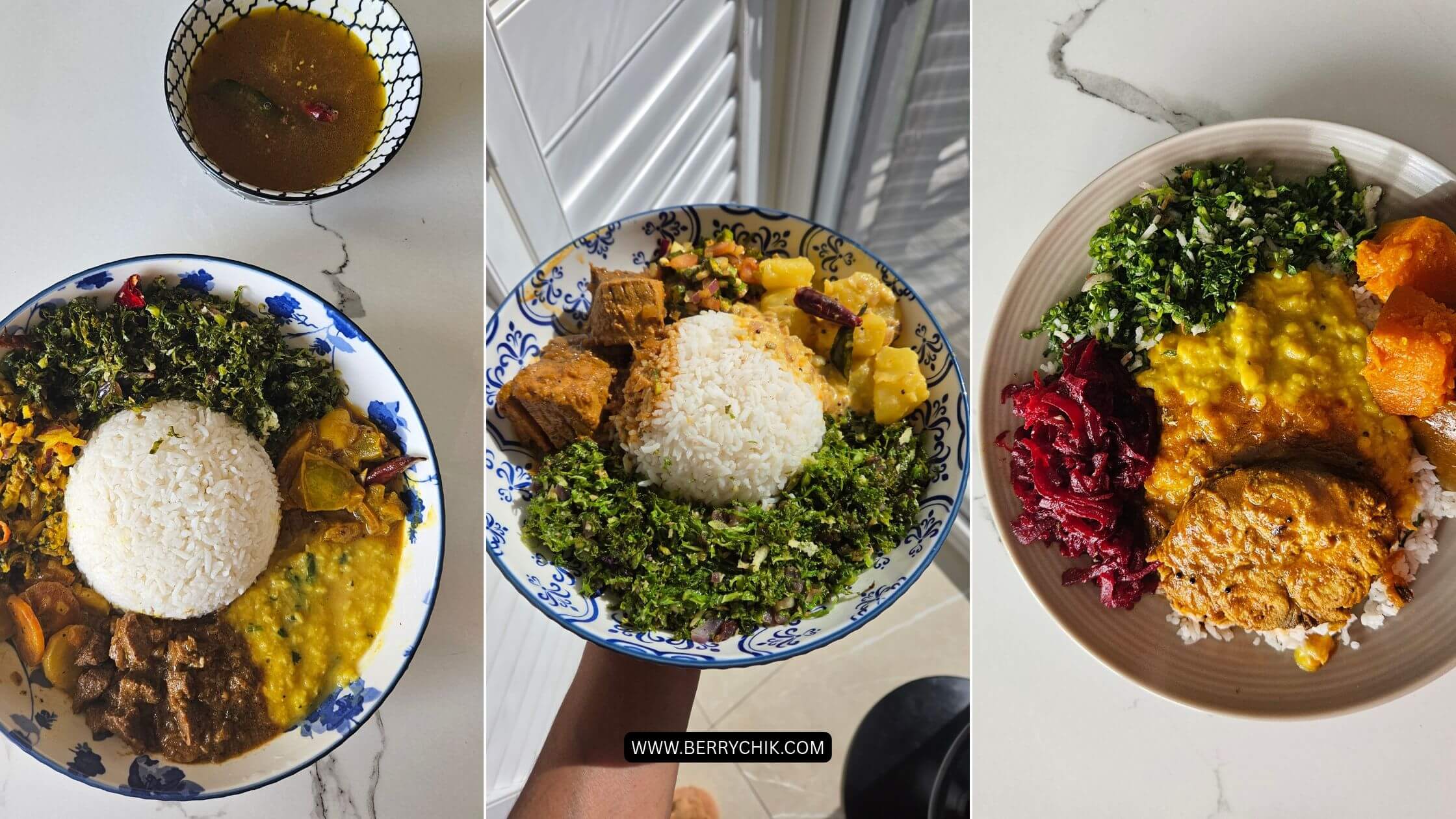
If there is one meal that defines Sri Lankan food, it’s rice and curry.
Despite the name, it isn’t just rice served with a curry on the side. A traditional Sri Lankan rice and curry meal is more like a collection of dishes brought together on one plate, creating a mix of flavors, textures, and colors that make every meal a little different.
Depending on the household, region, and what’s available in the kitchen, you might find:
• Parippu (red lentil curry)
• Chicken, fish, beef, or mutton curry
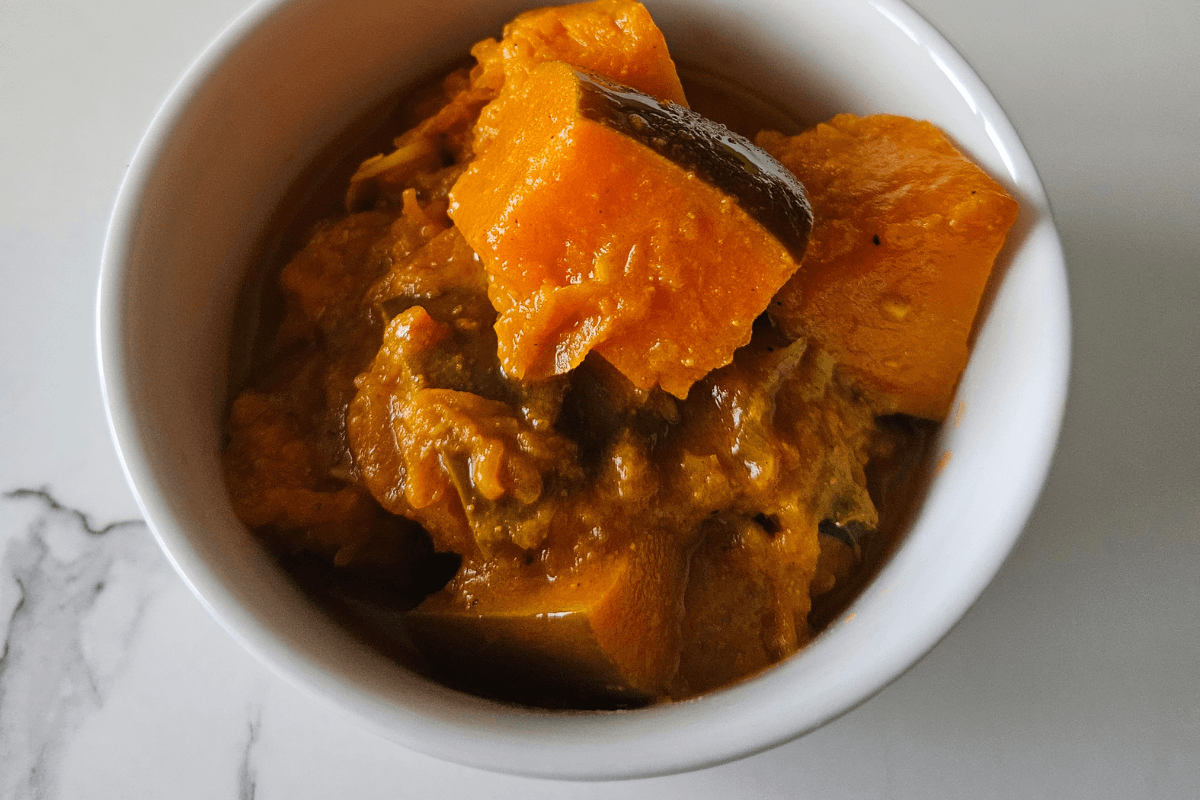
• Pumpkin curry
• Eggplant curry
• Coconut sambal
• Papadum
• Pickles and other vegetable sides
Some rice and curry meals are mild and creamy, while others are rich, spicy, and packed with roasted spices. No two households make it exactly the same way, which is part of what makes it so special.
For many Sri Lankans, this isn’t a special-occasion meal. It’s everyday comfort food, and often the first dish people think of when they think about Sri Lankan cuisine.
2. Hoppers (Appa)
Hoppers, or appa as most Sri Lankans call them, are one of Sri Lanka’s most iconic foods.
Made from a fermented rice flour batter and cooked in a small rounded pan, they develop thin, crispy edges while the center stays soft and fluffy. They’re simple, comforting, and surprisingly addictive.
You’ll usually come across a few different versions:
• Plain hoppers
• Egg hoppers
• Sweet hoppers
Egg hoppers have an egg cooked right in the center, while the sweet hoppers are made with a rich, creamy sweeet condensed or coconut milk center. But my mom likes to add Jaggery powdered or the syrup in the center and it always turns out a hit.
Most people eat them with coconut sambal, lunu miris, or a good curry. If you’re trying Sri Lankan food for the first time, an egg hopper with a little chili sambal on the side is one of the best ways to start.
3. String Hoppers (Idiyappam)
String hoppers, also known as idiyappam, may look delicate, but they’re one of the most filling and comforting meals you’ll find in Sri Lanka.
Made by pressing rice flour dough through a special mould, the fine noodle strands are shaped into small nests and steamed until soft. They might look simple, but there are so many different ways to eat them.
You’ll often find string hoppers served for breakfast or dinner with:
• Parippu (lentil curry)
• Coconut sambal
• Kiri hodi (coconut milk gravy)
• Fish or chicken curry
Unlike regular hoppers, string hoppers aren’t made from fermented batter. They have a completely different texture and are better suited for soaking up curries and gravies.
You’ll also come across variations made with white or red rice flour, as well as creative dishes like string hopper kottu and string hopper biryani.
For many Sri Lankan families, a plate of warm string hoppers with curry and sambal is the kind of meal that never gets old.
4. Kottu Roti
Made by chopping roti into small pieces and stir-frying it with vegetables, egg, spices, and your choice of meat or seafood, it’s one of the country’s most loved late-night street foods.
Some popular varieties include:
• Vegetable kottu
• Chicken kottu
• Beef kottu
• Seafood kottu
• Cheese kottu
If you’ve ever walked past a kottu shop in Sri Lanka, you’ve probably heard the rhythmic clanging of metal spatulas against a hot griddle long before you’ve seen the food. That sound alone is enough to make many Sri Lankans stop and wonder if kottu should be on the menu tonight.
It’s filling, flavorful, and one of those dishes that keeps people coming back for more.
5. Kiribath (Milk Rice)
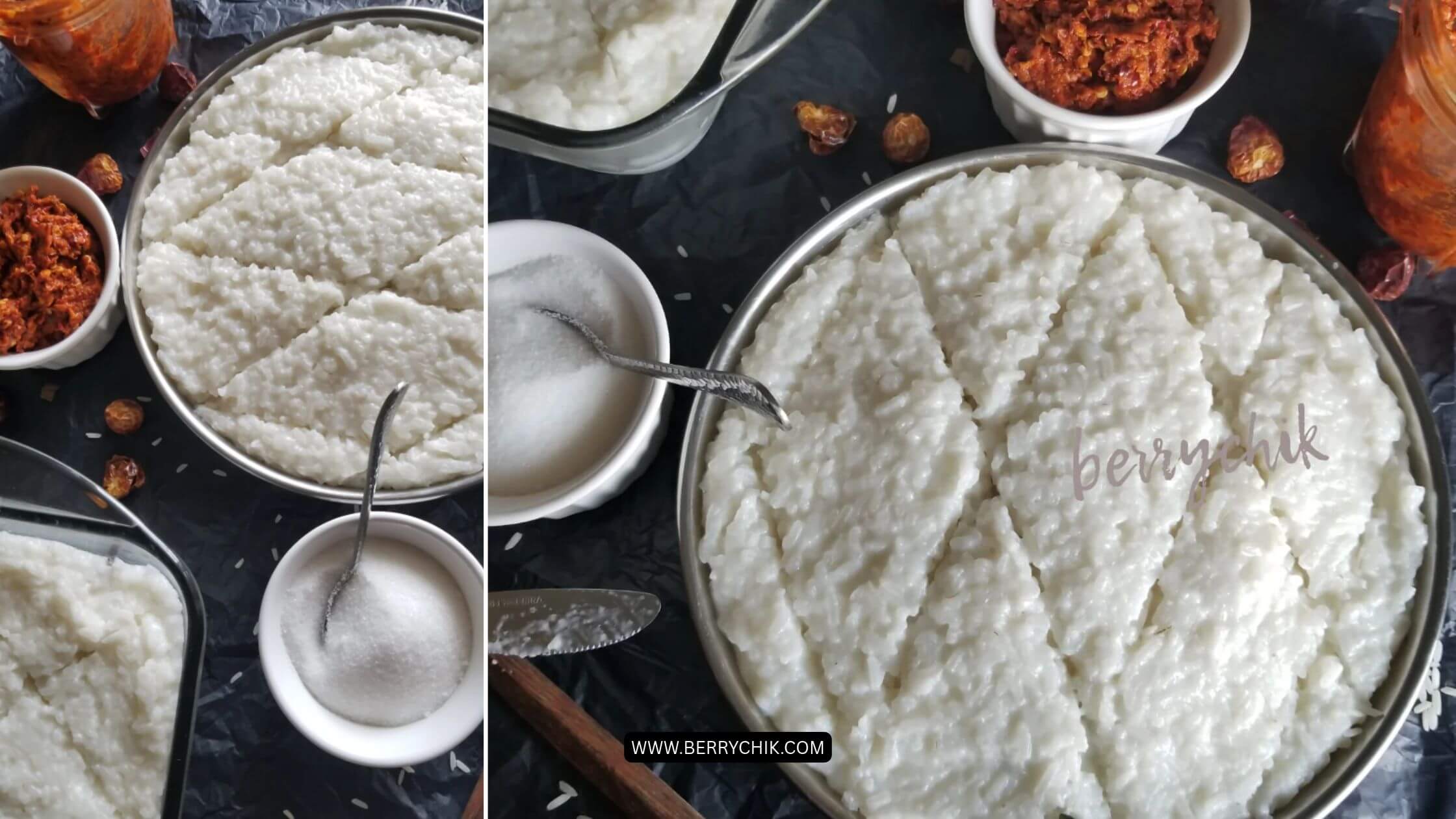
If there’s one food that instantly makes many Sri Lankans think of celebrations, it’s kiribath.
Made by cooking rice with coconut milk until rich and creamy, then pressing it into a tray and cutting it into diamond-shaped pieces, kiribath is simple but with a special place in Sri Lankan culture.
It’s usually prepared for New Year celebrations, birthdays, weddings, housewarmings, and other important occasions. Many families also enjoy it on the first day of each month as a symbol of good fortune and new beginnings.
Kiribath is commonly eaten with lunu miris, coconut sambal, seeni sambol, or even a little jaggery for a sweeter option.
If you’re new to Sri Lankan food, kiribath is definitely worth trying at least once. Check out how to make Sri Lankan kiribath from scratch.
6. Pittu
Pittu instantly feels like home to many Sri Lankans.
Made from steamed rice flour and grated coconut, it’s traditionally cooked in a cylindrical mould and served in soft crumbly layers.
It’s often eaten with:
• Coconut milk
• Lunu miris
• Parippu
• Fish curry
• Chicken curry
The combination might sound simple, but a good plate of pittu is incredibly satisfying and remains a favourite breakfast and dinner choice across the island.
7. Lamprais
Lamprais is one of Sri Lanka’s most loved weekend meals, and for good reason too.
With Dutch-Burgher roots and generations of local influence, this iconic meal brings together rice, meat curry, sambals, and several side dishes, all wrapped inside a banana leaf and baked together.
Traditionally, a lamprais may include frikkadels (small meatballs), brinjal moju, seeni sambol, and ash plantain curry. As everything bakes inside the banana leaf, the flavors mingle together while the leaf adds a rich, smoky aroma that’s hard to describe until you’ve experienced it yourself.
Lamprais takes more preparation than an everyday rice and curry meal, which is why it’s often reserved for special occasions, family gatherings, or the kind of weekend meal you look forward to all week.
If you’re exploring Sri Lankan food for the first time, this is one dish I wouldn’t skip. Want to learn more? Check out my complete Guide to Sri Lankan Lamprais.
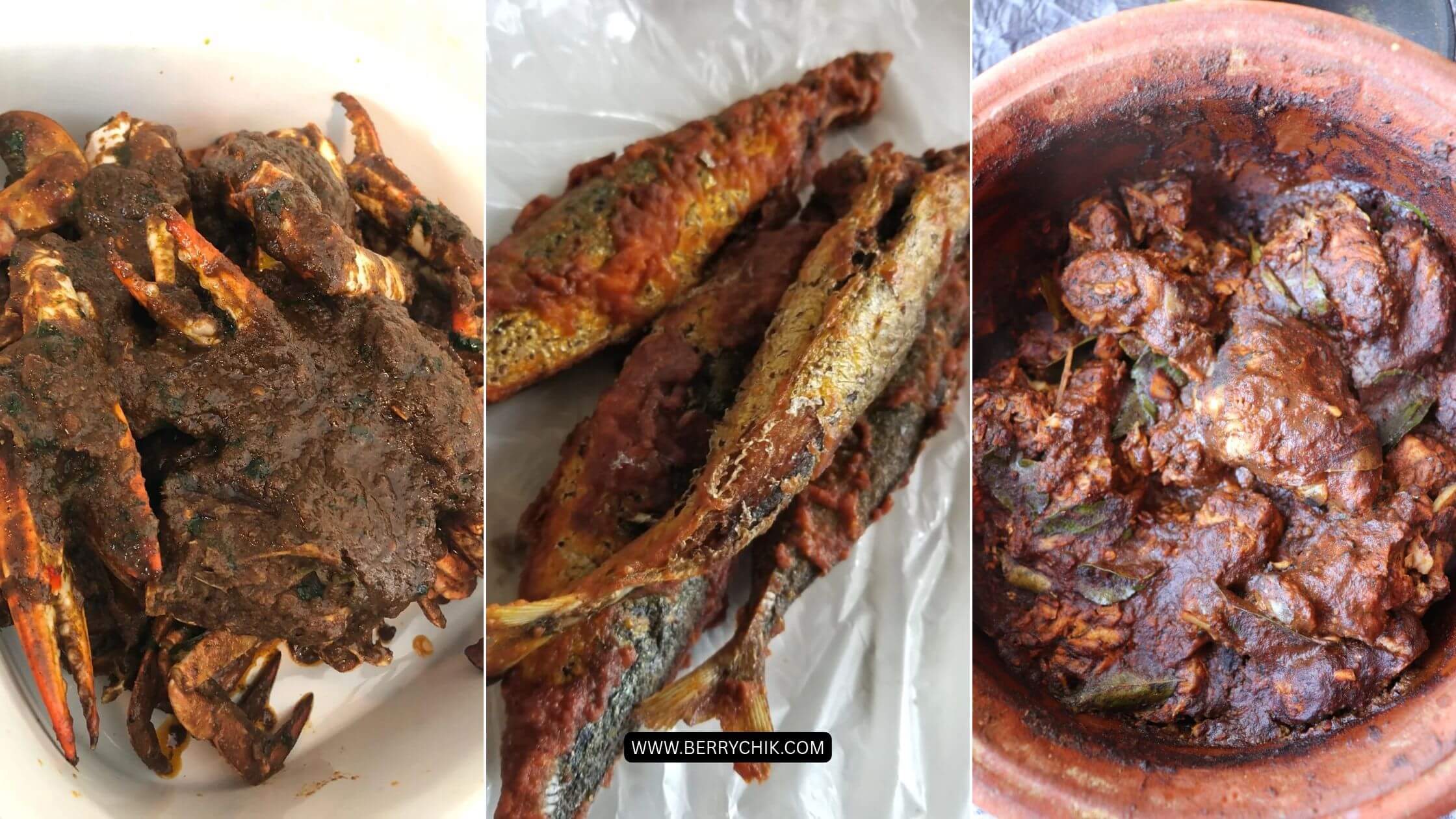
8. Sri Lankan Seafood Curries
Surrounded by the Indian Ocean, it’s no surprise that seafood plays a huge role in Sri Lankan cooking.
From fish curry, shrimp curry and ambul thiyal, there are countless seafood curries enjoyed across the island. Some are rich and creamy with coconut milk, while others are fiery, tangy, and packed with roasted spices.
While you’ll find crab curry across the island, Jaffna-style crab curry is especially well known for its bold roasted spices and spicy flavor.
And yes, eating can get a little messy. But that’s part of the experience. The moment that flavorful curry coats your fingers, you’ll understand why so many people happily roll up their sleeves and dig in.
If you enjoy seafood, this is a part of Sri Lankan food that’s well worth exploring.
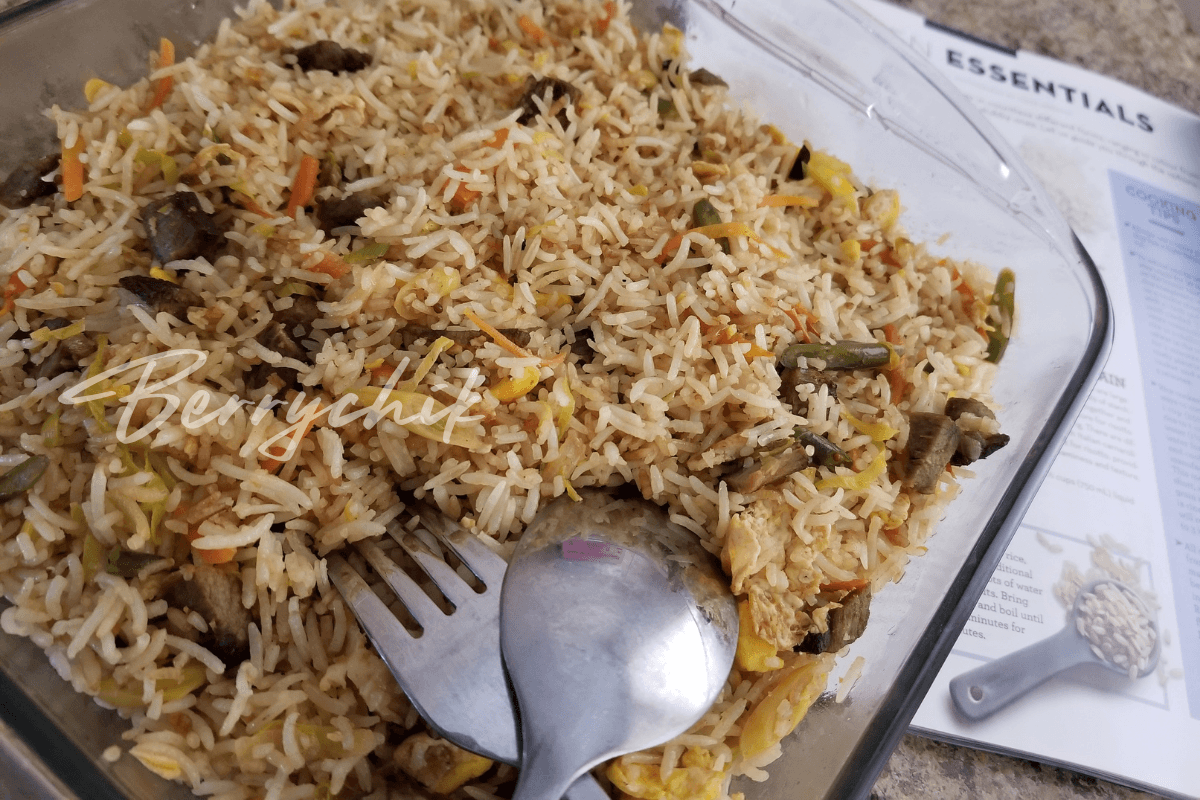
9. Sri Lankan Fried Rice and Devilled Chicken
While traditional Sri Lankan meals often revolve around rice and curry, fried rice and devilled chicken or fish have become a favourite combination for restaurant dinners, takeout nights, and social gatherings.
Sri Lankan fried rice is packed with vegetables, eggs, meat or seafood, while devilled chicken brings the perfect balance of sweet, spicy, tangy, and savoury flavours.
What makes this combination special is the contrast. The smoky fried rice pairs perfectly with the bold sauce coating the chicken, especially when there’s a little chilli paste on the side.
If you’re looking for a meal that’s popular across the island and loved by all ages, it’s hard to go wrong with fried rice and devilled chicken.
10. Sri Lankan Roti
Roti is another everyday favorite in Sri Lankan cooking, but there isn’t just one kind. Depending on the style, it can be soft, flaky, crisp, chewy, or layered.
Some popular varieties include:
• Pol roti (coconut flatbread)
• Godamba roti
• Parotta
• Egg roti
• Veechu roti
Pol roti is made with freshly grated coconut and is a staple in many Sri Lankan homes, while godamba roti is the flatbread traditionally used to make kottu.
Roti is often paired with a protein curry, coconut sambal, or a spicy onion relish. My personal favorite is warm pol roti with parippu and fish curry. Simple, satisfying, and hard to beat.
If you’d like to try making it at home, check out my Sri Lankan Pol Roti Recipe.
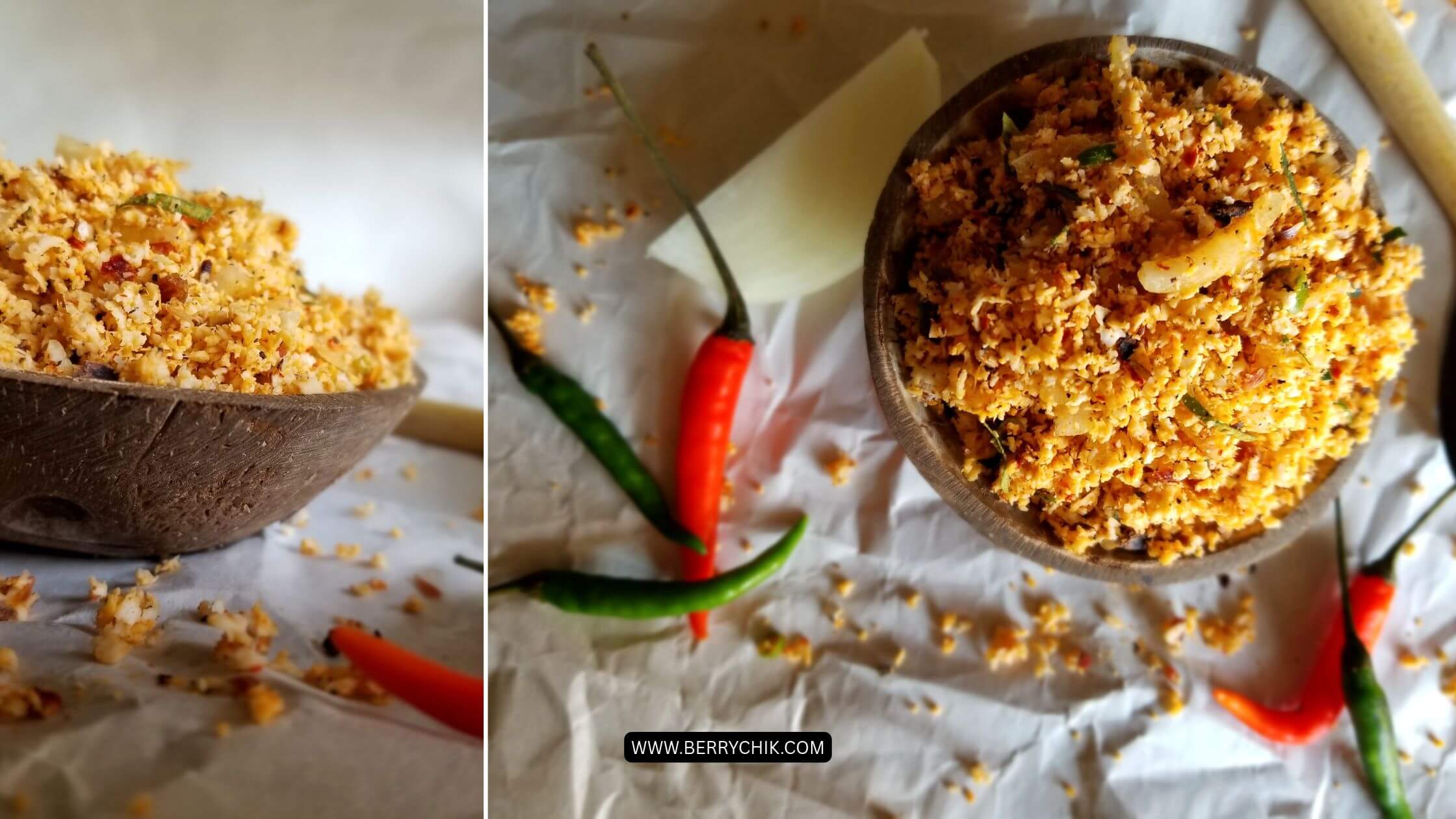
11. Coconut Sambal (Pol Sambol)
Give a Sri Lankan a coconut and there’s a good chance they’ll turn it into a sambal.
Known locally as pol sambol, always made with freshly grated coconut, red onion, chili, lime juice, and salt. Some versions also include Maldive fish, which adds an extra savoury kick.
Simple ingredients. Big flavor. It’s fresh, spicy, tangy, and somehow manages to make almost everything taste better.
Coconut sambal pairs beautifully with:
• Rice and curry
• Hoppers
• String hoppers
• Roti
• Lamprais
• Even a simple slice of bread
Most people eat them along with coconut sambal, lunu miris, or a good curry. Once you do, you’ll understand why it’s a staple in so many Sri Lankan homes.
If you’d like to make it yourself, try my Sri Lankan Coconut Sambal Recipe.
12. Isso Wade
If you’ve spent time along Sri Lanka’s coast, you’ve probably seen bright orange isso wade being sold by street vendors.
These crispy lentil fritters are topped with prawns and deep-fried until golden.
Crunchy, spicy, and packed with flavour, they’re especially popular near beaches and make a perfect snack while walking along the coast.
They’re messy to eat, impossible to ignore, and one of Sri Lanka’s most recognizable street foods.
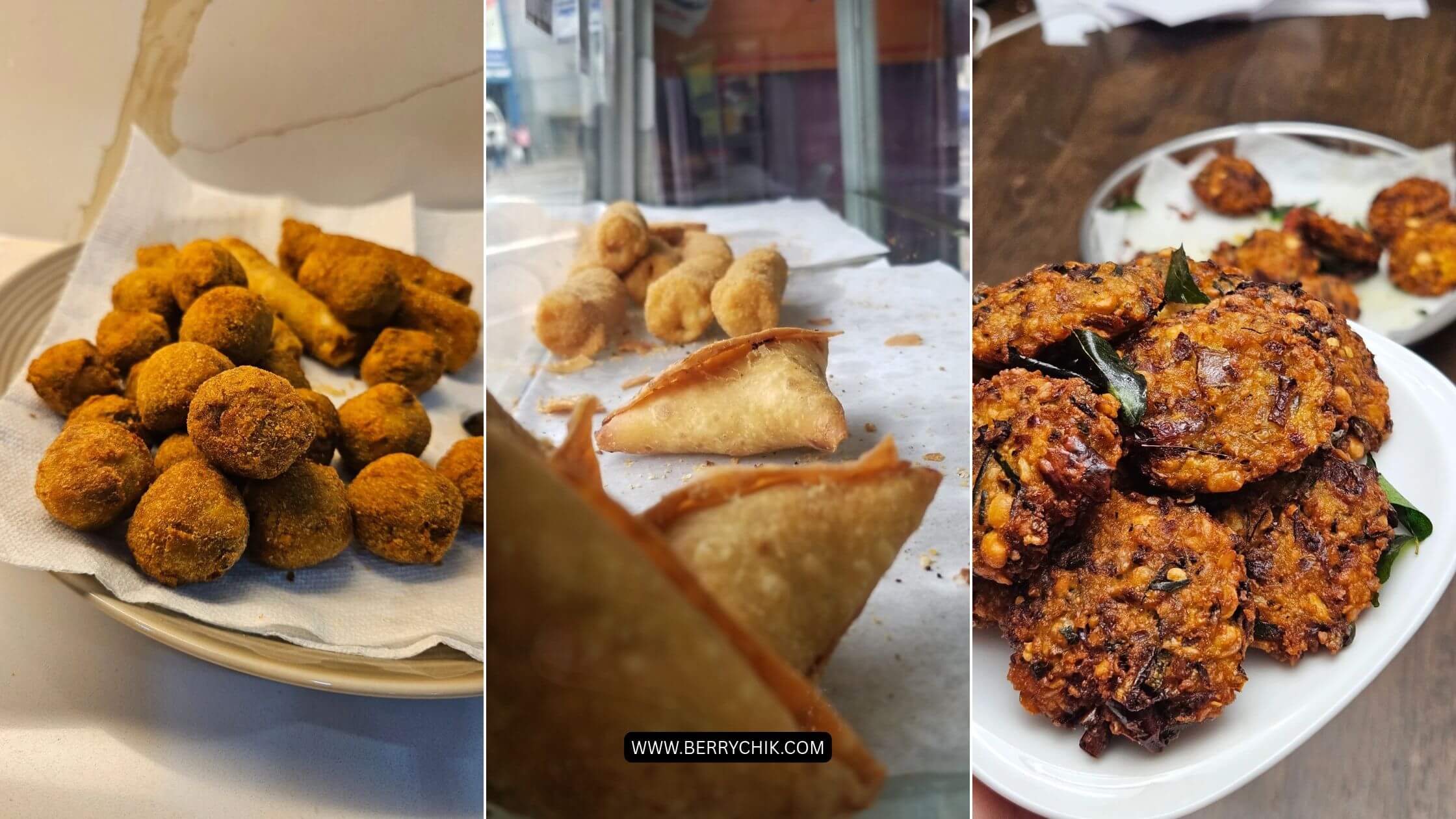
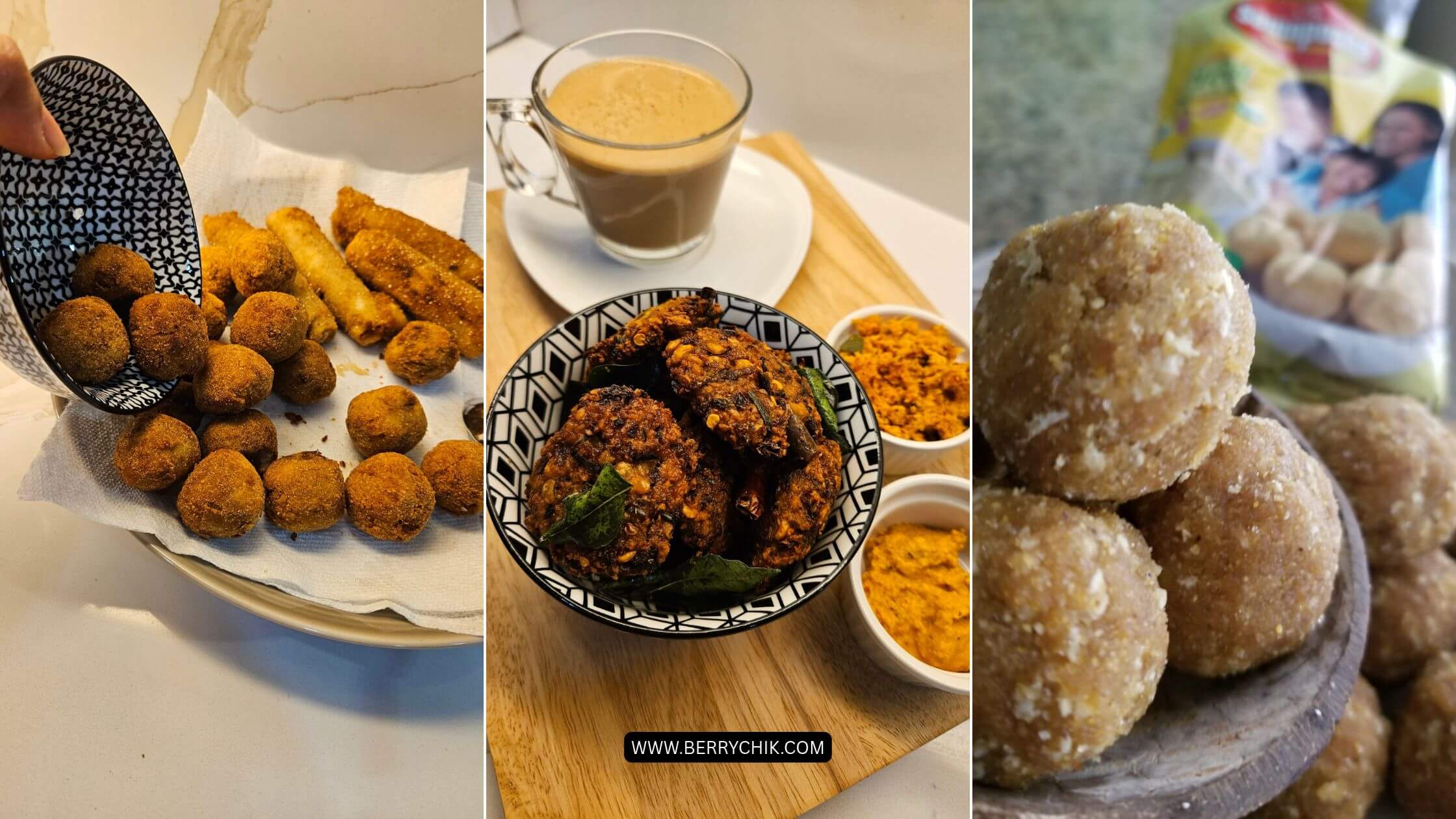
13. Sri Lankan Short-Eats
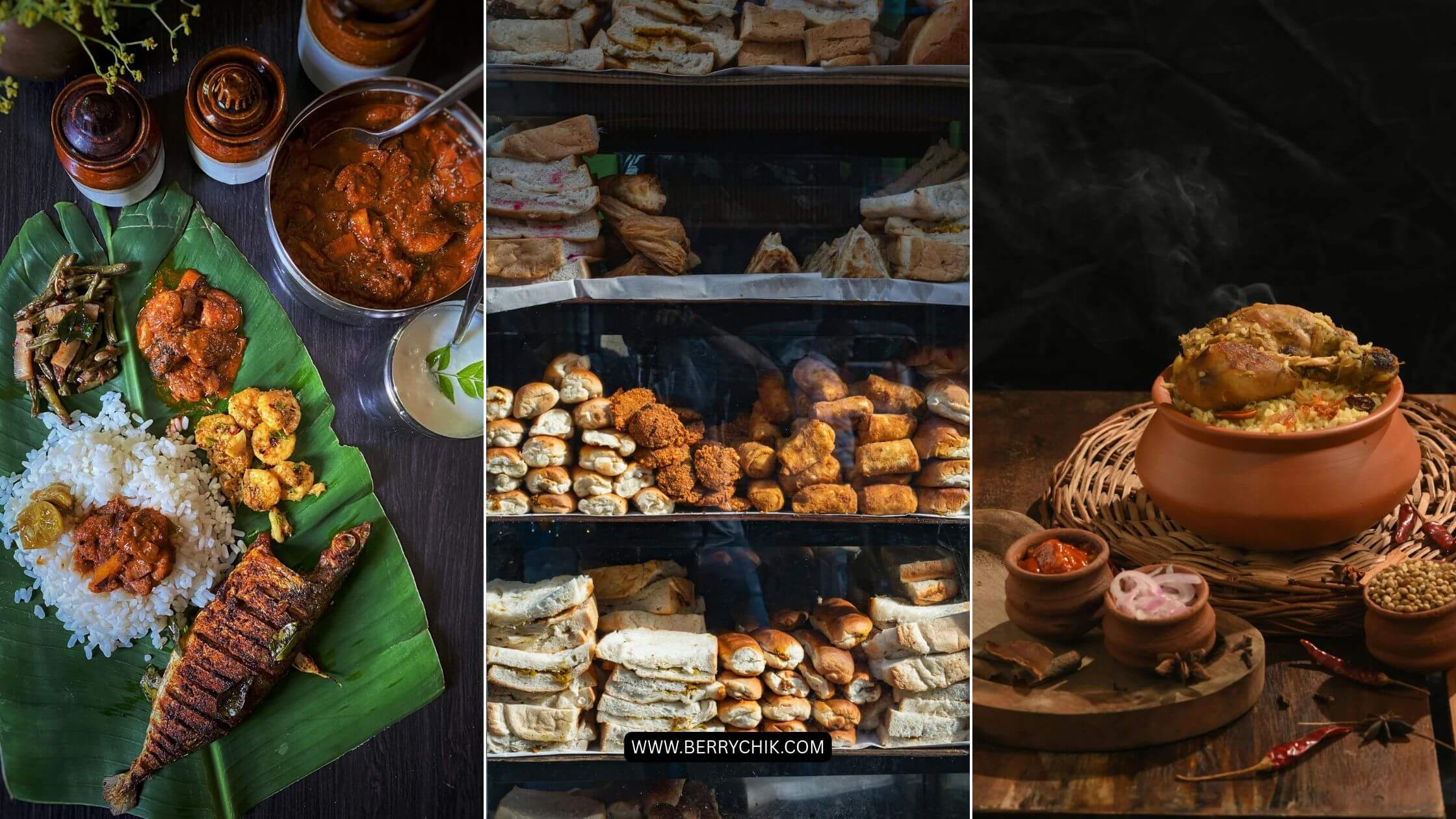
Walk into almost any bakery in Sri Lanka and you’ll find a display case packed with short-eats.
Short-eats are Sri Lanka’s answer to grab-and-go snacks. They’re commonly enjoyed with a cup of tea, served at family gatherings, packed into lunch boxes, or picked up on the way home when you’re craving something crispy and savory.
Some popular favorites include:
• Fish cutlets
• Fish rolls
• Samosas
• Patties
• Vadai
• Maalu paan (fish buns)
Every bakery seems to have its own version, and everyone has a personal favorite. Ask a group of Sri Lankans which short-eat is best, and you’ll probably start a friendly debate.
If you’re new to Sri Lankan snacks, fish cutlets, patties, and maalu paan are great places to start.
Want to make them yourself? Try my Sri Lankan Fish Cutlets, Fish Patties, or homemade Fish Buns.
🍽️ Craving more? From vegan‑friendly dishes, meat‑lovers favorites, to soul-food from the island, there’s a burst of flavor waiting in every recipe. Cook to satisfy your cravings — one delicious bite at a time.
🎯 Let’s be real: Deciding what to cook or even what groceries to buy can feel overwhelming on a chaotic day. Browse our curated collection of meal planners and kitchen resources to stay organized, simplify your day, and make cooking feel effortless. Grab your copy today and make life easier.
14. Kola Kanda (Herbal Porridge)
Kola kanda might not look fancy, but it’s a healthy drink many Sri Lankans grow up with.
Made from leafy greens, rice, coconut milk, and a few simple ingredients, it’s traditionally enjoyed as a nourishing breakfast or morning drink. Different households use different herbs, giving each version its own flavour.
Growing up, it was one of those foods people often turned to when they wanted something warm, comforting, and satisfying without feeling too heavy.
It might not be as famous as kottu or hoppers, but it’s a small part of Sri Lankan food culture that’s worth trying.
Want to learn how to make this healthy comfort bowl for breakfast? Try my Sri Lankan Kola Kanda recipe.
15. Polos Curry (Young Jackfruit Curry)
If you’ve only ever had ripe jackfruit, polos curry might come as a surprise.
Made with young green jackfruit, this traditional Sri Lankan curry is slow-cooked with spices until the jackfruit becomes tender and absorbs all the rich flavors around it. Depending on the household, ingredients like coconut milk, curry leaves, cinnamon, chili, and roasted spices may be used to build depth and warmth.
One of the things that surprises many first-time eaters is the texture. Young jackfruit becomes soft, hearty, and satisfying, which is why even many meat lovers like it too.
It’s commonly given with rice and other curries as part of a larger meal, and for many Sri Lankans, it’s a comfort food that brings back memories of home cooking.
If you’ve never tried young jackfruit before, polos curry is one of the best places to start.
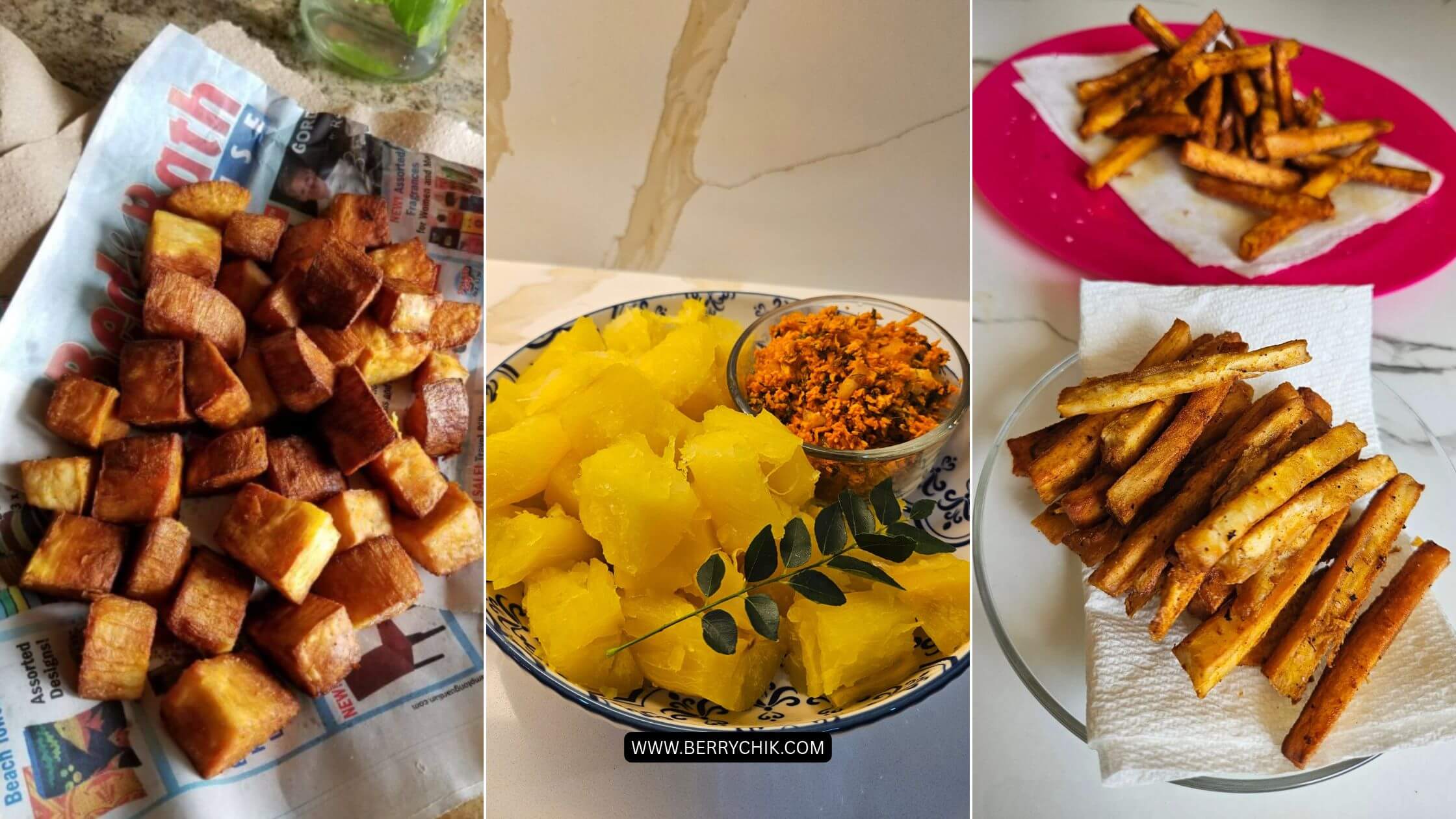
16. Cassava (Manioc)
Growing up, cassava was one of those simple foods that could easily become a meal, a side, or an afternoon snack depending on how it was prepared. It may not look fancy, but it’s filling and surprisingly adaptable.
Some popular ways to enjoy cassava include:
• Boiled and served with coconut sambal
• Deep-fried into crispy chunks
• Cut into fries
• Stir-fried with coconut
• Cooked in a creamy coconut milk curry
If you’re new to cassava, it’s important to peel and cook it properly before eating. Raw cassava should never be eaten.
Want to explore more ways to cook with cassava? Check out my Cassava Guide, Sri Lankan Cassava Curry, and Deep-Fried Cassava Recipe for inspiration.
🔥Show Off Your Plating by tagging @iberrychik on Instagram or Pinterest — I love seeing your cooking. Let’s savor this food journey together.
📬 Subscribe to not miss a thing on Berrychik. You’ll get sneak peeks, free perks, and mouth‑watering recipes delivered straight to your inbox. Psst… when you join for FREE, you’ll also receive a FREE 7‑Day Meal Planner. Check out our shelf to view the collection.
17. Achcharu (Sri Lankan Pickled Fruit)
Made by mixing fresh fruit with chili, salt, vinegar, and spices, achcharu delivers the perfect balance of sweet, sour, salty, and spicy flavors all in one bite.
Some of the most popular versions include:
• Mango achcharu
• Pineapple achcharu
• Veralu achcharu (Ceylon olive)
• Nellikka achcharu (Indian gooseberry)
If you’ve spent time near a beach, school, market, or busy roadside stall in Sri Lanka, you’ve probably seen vendors selling achcharu in little bags or containers. It’s one of those snacks that’s hard to stop eating once you start.
The first bite might surprise you, but before long you’ll understand why so many Sri Lankans love it.
18. King Coconut (Thambili)
Known locally as thambili, king coconut is prized for its naturally sweet and refreshing coconut water. You’ll often find little stalls and huts selling them along roadsides, near beaches, at local markets, and just about anywhere people need a break from the tropical heat.
Unlike mature coconuts, which are often harvested for their flesh, king coconuts are mainly enjoyed for the cooling drink inside.
Growing up, grabbing a king coconut on a hot day was one of the simplest pleasures. No fancy packaging, no sports drinks, just fresh, naturally refreshing coconut water straight from the source.
If you ever get the chance to try one, don’t pass it up.
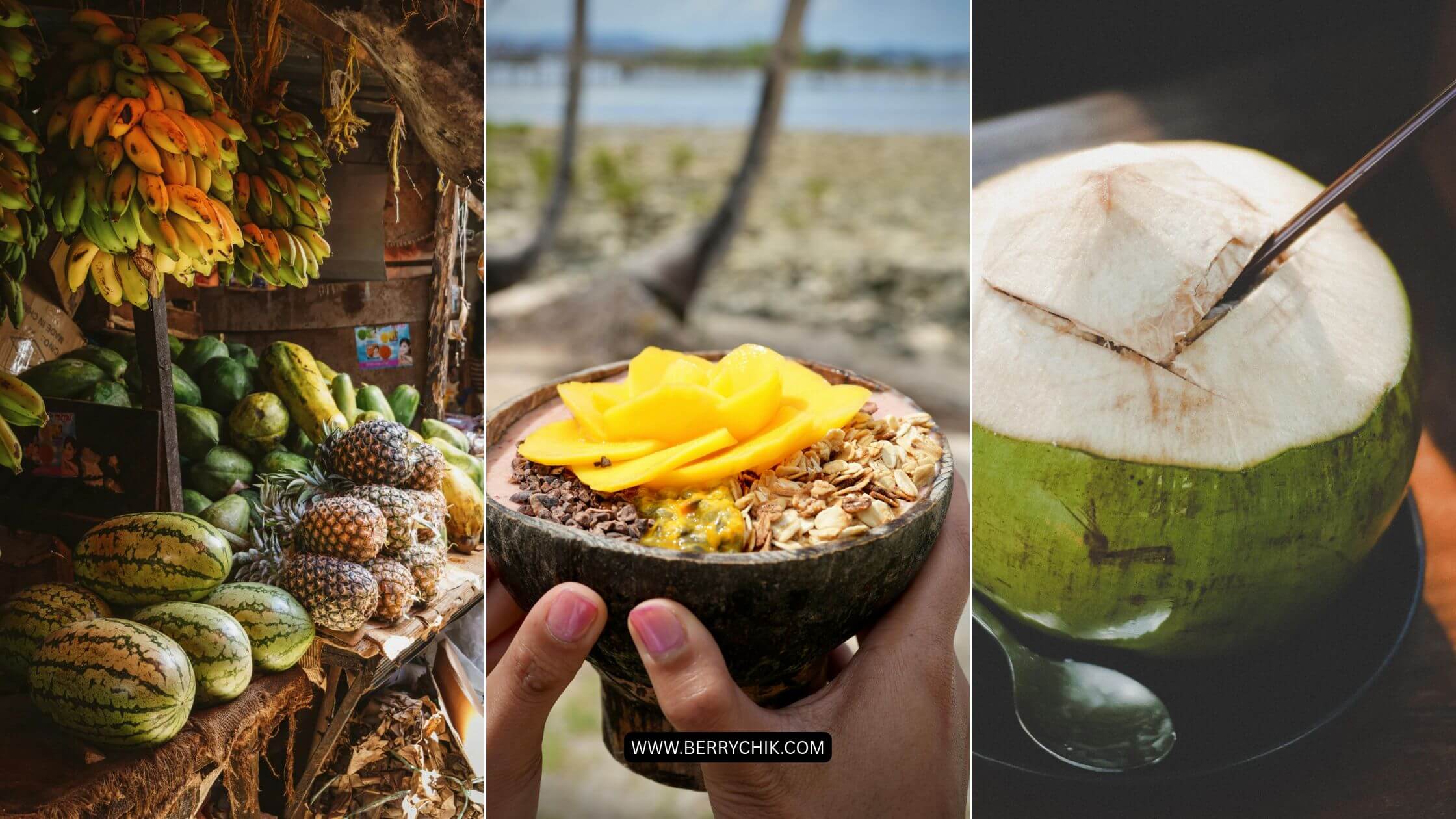
19. Sri Lankan Tropical Fruits
Sri Lanka’s tropical climate produces an incredible variety of fruits, and if you’re someone who enjoys trying new foods, the local fruit markets are worth a visit all on their own.
Alongside familiar favorites, you’ll find fruits that may be completely new to you, each with its own flavor, texture, and a story.
A few worth looking out for include:
• Rambutan – a sweet fruit with a bright red, hairy shell
• Mangosteen – juicy, soft, and often called the queen of fruits
• Wood Apple – known for its unique aroma and tangy pulp
• Veralu – Sri Lanka’s small Ceylon olive, enjoyed fresh or pickled
• Cashew Apple – the fleshy fruit attached to the cashew nut
• Local Bananas and mangoes – available in many varieties, shapes, sizes, and flavors
Growing up, many of these fruits were simply a normal part of everyday life, whether picked from a backyard tree, bought from a roadside vendor, or enjoyed during their season.
If you ever visit Sri Lanka, don’t just stick to the fruits you already know. Try something new. You might discover a favorite you’ve never heard of before.
20. Wattalappam (Watalappan)
Sri Lanka has no shortage of sweets and desserts. From kokis and kavum to milk toffee, chocolate biscuit pudding, chocolate roll cake and buffalo curd with kithul pani, there are countless treats worth trying. But few desserts are as widely loved as wattalappam.
This rich, steamed custard is traditionally made with coconut milk, jaggery, eggs, and warming spices such as cardamom and nutmeg. The result is a smooth, creamy dessert with a deep caramel-like sweetness.
While wattalappam has roots in Sri Lanka’s Malay-Muslim community, it has become a favorite across the island and is often served during celebrations, festive gatherings, weddings, and special occasions.
For many Sri Lankans, it’s one of those desserts that instantly brings back memories of family events and holiday meals.
If you enjoy traditional desserts, wattalappam is definitely one worth trying.
Where Should You Start? 5 Sri Lankan Foods to Try First
Trying Sri Lankan food for the first time can feel a little overwhelming because there are so many dishes to discover.
If you’re not sure where to begin, I’d start with these five:
1. Rice and Curry – The best introduction to everyday Sri Lankan meals.
2. Hoppers – Crispy around the edges and soft in the middle.
3. Kottu Roti – A filling and flavorful street-food favorite.
4. Coconut Sambal – A simple side dish that brings so much flavor.
5. Lamprais – A special banana-leaf meal packed with delicious accompaniments.
Together, these dishes offer a great introduction to the variety, flavors, and traditions that make Sri Lankan food so memorable.
What Makes Sri Lankan Food So Special?
Sri Lankan food is shaped by the island’s geography, ingredients, history, and people.
Rice, coconut, seafood, tropical fruits, chilies, and spices all play an important role in everyday cooking. But what makes the food especially interesting is how recipes and traditions vary across different regions, communities, and households.
A meal in the north may look quite different from one in the south. Some dishes are tied to celebrations and festivals, while others are simple everyday comfort foods passed down through generations.
From a humble bowl of parippu to a carefully prepared lamprais, every dish has its own story and place in Sri Lankan food culture.
Whether you’re discovering these foods for the first time or reconnecting with flavors you grew up eating, I hope this guide encourages you to try a few new things.
And who knows? You might just discover a new favorite along the way.
FAQs
Everything you need to know about Sri Lankan Food.
What is the most popular food in Sri Lanka?
Rice and curry is one of the most common everyday meals in Sri Lanka. It usually includes rice served with several curries, vegetables, sambals, and other accompaniments.
Is Sri Lankan food spicy?
Yes and no. Sri Lankan food is known for its bold flavors and use of chili, but not every dish is extremely spicy. Many curries and side dishes can be adjusted to suit different tastes.
What should I eat in Sri Lanka for the first time?
Start with stringhoppers with coconut sambal and a curry for breakfast, rice and curry for lunch, and hoppers or kottu roti for dinner. Together they offer a good introduction to different aspects of Sri Lankan cuisine.
What is a traditional Sri Lankan breakfast?
Popular breakfast choices include hoppers, string hoppers, pittu, kiribath, and roti. They’re often served with parippu, coconut sambal, curry, or coconut milk gravy.
Is Sri Lankan food similar to Indian food?
Sri Lankan food shares some ingredients and cooking traditions with South Indian cuisine, but it has its own distinct dishes, flavors, and regional variations. Coconut, goraka, Maldive fish, and unique spice blends are common features of Sri Lankan cooking.
What are some popular Sri Lankan desserts?
Wattalappam, kiribath, kokis, kavum, and milk toffee are some of the traditional sweets and desserts made in Sri Lanka.
What is Sri Lankan street food?
Popular street foods include kottu roti, achcharu, short eats, isso wade (prawn fritters), and a variety of savory bakery snacks sold by roadside vendors and local bakeries.
Explore More Sri Lankan Recipes
Want an easier way to plan your meals?